
How to Choose a Sapphire
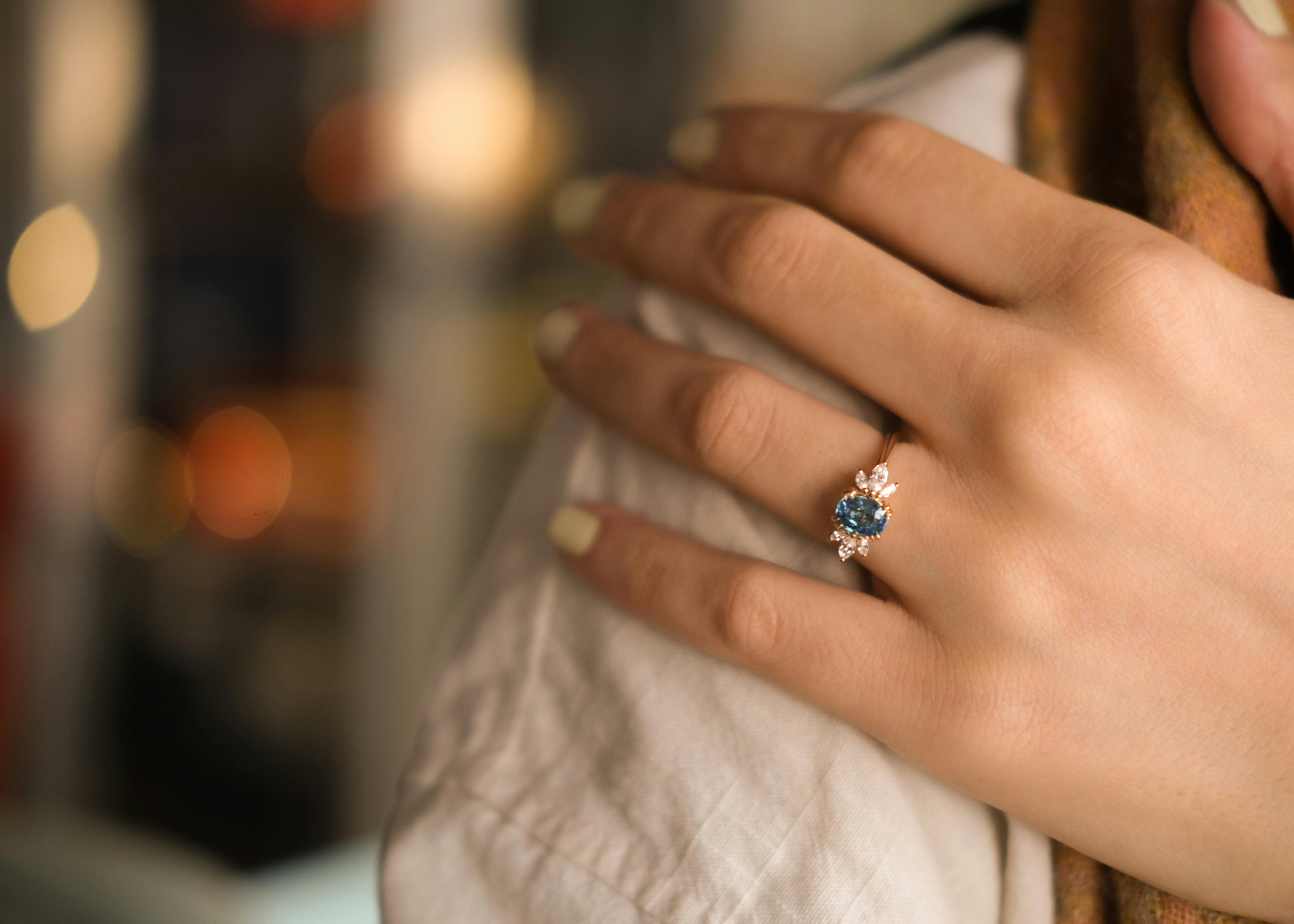
A practical guide to color, clarity, cut, and origin when selecting a sapphire.
Selecting a blue sapphire involves evaluating several important factors that influence its beauty and value. The most important characteristic is color. The most prized sapphires display rich, vivid shades such as royal blue, cornflower blue, or deep blue, with strong saturation and balanced brightness.
Clarity is another key factor. Natural sapphires often contain small inclusions, which are normal and can indicate authenticity. However, stones that appear "eye-clean," meaning inclusions are not visible to the naked eye, are generally more valuable.
The cut of the sapphire affects how well it reflects light. A well-cut sapphire will show excellent symmetry and brilliance, while a poorly cut stone may appear dull or uneven in color.
Carat weight also influences value, as larger sapphires are much rarer. High-quality stones above two or three carats are especially sought after.
The origin of the sapphire can also impact desirability. Sapphires from regions such as Sri Lanka (Ceylon), Kashmir, and Burma are historically known for producing exceptional stones.
Finally, consider whether the gemstone has undergone treatment. Many sapphires are heat-treated to enhance color and clarity, while untreated natural stones are rarer and often more valuable.
For confidence in your purchase, always request a certified gemological laboratory report confirming the sapphire's authenticity and characteristics.